UGC NET COMMERCE November 2017(Paper-II) Q29
0. Select the correct sequence for Hierarchy-of-effects model related to marketing communication:


- Option : A
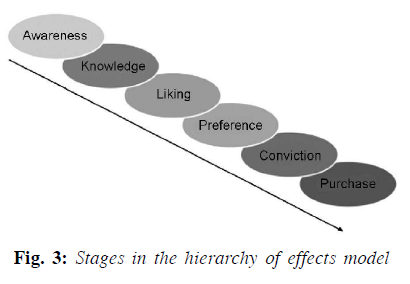
- Explanation : Hierarchy-of-effects models assume mediating processes between the advertisement and the desired outcome on the part of the consumer. These processes are cognitive, affective and conative (behavioural) – in other words, consumers are assumed first to think about the ad, then to form some emotional response and then to act (e.g., purchase the product in the ad). One of the earliest models in this domain was the AIDA model, named as the acronym of its four components: attention, interest, desire, action. According to Fennis and Stroebe, this model dates back at least to the end of the nineteenth century. Later variations of this idea include the model by Lavidge and Steiner, who suggested a sequence of awareness, knowledge, liking, preference, conviction and purchase. In this model, awareness and knowledge refer to the cognitive aspect, focusing on information. Liking and preference, the second two stages, refer to the affective aspects, focusing on favourable attitudes or feelings about the product. Conviction and purchase refer to the conative aspect, focusing on action.