
UGC NET COMMERCE July 2018 Q37


- Option : B
- Explanation :
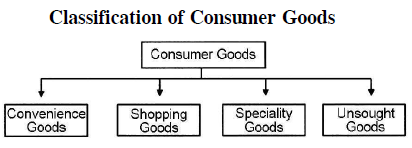
Consumer goods can be classified into four categories:
∎ Convenience Goods: These goods are demanded by customers frequently in small quantities, but they must be immediately available at easily accessible retail shops. These are low cost, highly advertised items that are designed for mass markets and are sold to all income classes. All sales promotions devices are liberally used to stimulate consumer demand. These goods have to be distributed through numerous retailers. Examples of convenience goods are daily use items like soaps, detergents, biscuits, cosmetics and so on.
Because most retail stores sell only a small volume of the total output of a convenience good, it is not economical for the manufacturer to sell directly to all retail outlets. Instead, the manufacturer depends on distributors or retailers to sell the product to the consumers. Intensive distribution is required for convenience goods.
∎ Shopping Goods: A tangible product for which consumers want to compare quality, price, and perhaps style in several stores before making a purchase is considered a shopping goods. These products need search efforts and special visits to central markets, there are not urgent purchases and buyers can postpone buying according to their convenience. They need not have numerous retail outlets. Buyers want to shop around and select goods after comparing quality, terms, style, price, services and so on. Examples of shopping goods are furniture, jewellery, fashion goods, appliances, automobiles.
As fewer retailers are required, and retail stores typically buy shopping goods in large quantities, it is common for manufacturers to use short channels of distribution. Usually they sell directly to retailers.
∎ Speciality Goods: A tangible product, for which consumers have a strong brand preference, and are willing to spend substantial time and effort in locating the desired brand is called a speciality good. They are goods with unique features. They demand special shopping efforts. They are sold in speciality shops. Buyers develop brand preferences and make special efforts to buy it. It should be noted that in the modern marketing environment, there is a thin line of difference between shopping and speciality goods.
Examples of speciality goods can be desired brands of expensive designer clothes (clothes designed by leading designers like J.J. Vallaya or Ritu Beri), expensive sound systems and so on. The most important feature of speciality goods is that consumers insist on a particular brand and are willing to spend considerable effort to find it. Like shopping goods, few retail stores are required to sell speciality goods. Manufacturers may follow exclusive distribution policy for selling speciality goods i.e., opening their own exclusive stores or selling franchise of exclusive stores.
∎ Unsought Goods: An unsought good is a new product that the consumer is not yet aware of or he is aware of that product but does not want it at this moment. An example of unsought goods can be a new product to be launched in the market which does not have a ready demand. Another example is personal insurance. Personal selling combined with advertising is the best strategy to sell unsought goods.
